Spring is an exciting time for the natural world, and thus our bellies. In the run-up to Easter, we see the joy of enjoying tiny lambs frolicking in fields, small chicks can reduce us to tears via nature newsfeeds, and we often tend to devour a surplus of miniature chocolate treats available at the end of supermarket aisles..
When it comes to pasta dishes, it’s even better. Veggies take centre stage, markets begin to fill with bright, fresh vegetables, and herbs provide extra delicate flavours to balance dishes. Here’s some of the classics you might want to revisit from our archives to help inspire you.
Asparagus
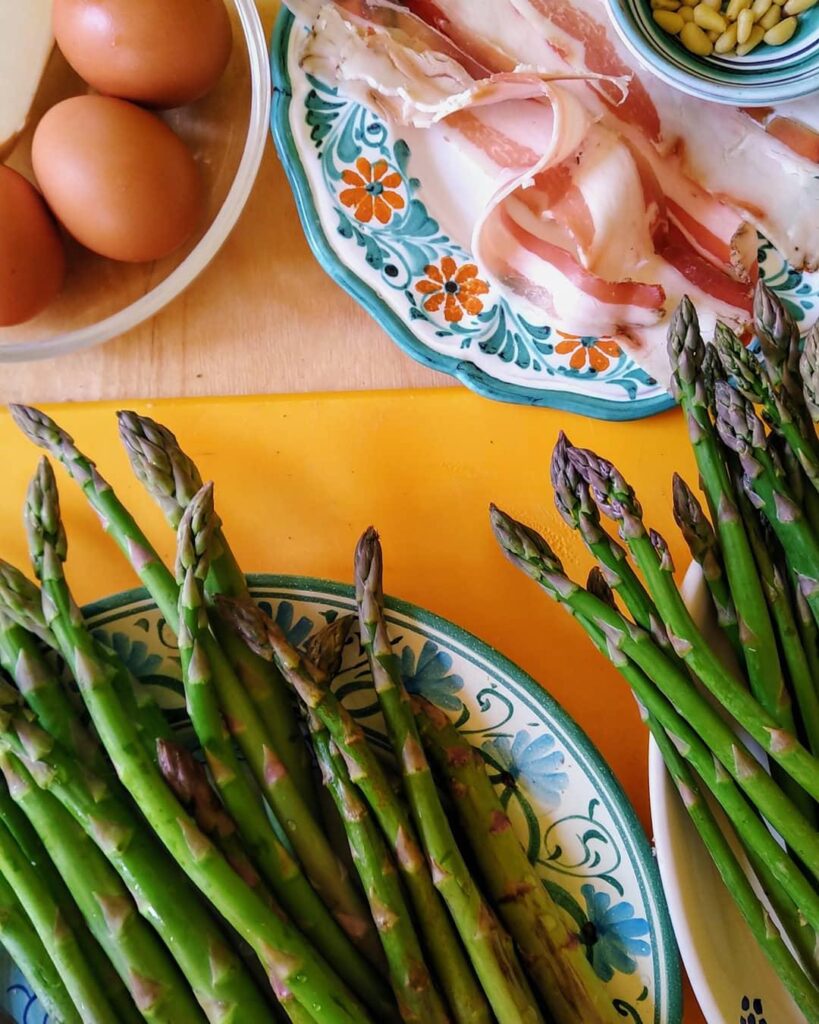
One of the most iconic spring vegetables is asparagus. The tender spears add both crunch and earthiness. When lightly blanched or sautéed, it can be eaten on its own, perhaps with a citrus-infused dressing, or in a salad.
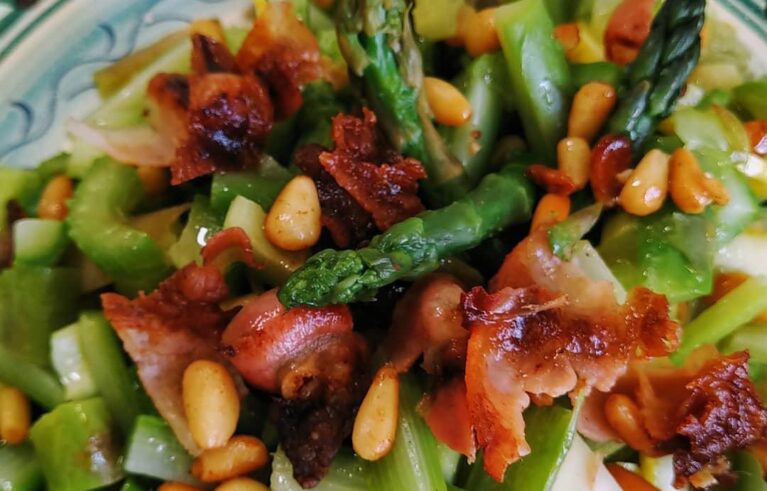
Check out Livia’s recent recipe with pancetta, pine nuts, and celery, if you don’t believe just how tasty it can be as the main. And if you fancy something of a rarer variety, you can read our interview with Simon Piovesan at London’s 2Veneti. Their team created a very typical gnocchi dish that uses it, and you can learn more about it here.
Or why not go far, far back in our archives to nearly a decade ago in Venice and remind yourself of Ado’s delicious risotto we filmed there. (And you can see that Vicky’s stylish hair cut hasn’t changed all that much in a decade too).
Peas
Another classic spring ingredient is peas. Their natural sweetness contrasts well with cheeses and other salty flavourings like prosciutto. Try Maria’s special strichetti (often known as farfalle), which literally translates to “butterfly”, and definitely left our hearts fluttering and our bellies rumbling for more.
Spring Greens
Spring greens also play a key role in pasta garnishes. Ingredients such as baby spinach, watercress, and young kale add freshness and a slightly peppery bite, like in Maria’s spring greens pasta called gnoccareddi.
You can really adapt many of our grandmothers’ recipes by adding a handful of anything green. Francesca uses cime di rape in this one, but her recipe works well with anything leafy you might have hanging around. Her pasta dish is known as ‘married’ pasta because it has a matrimony of two different shapes. How romantic is that?
Closing Time
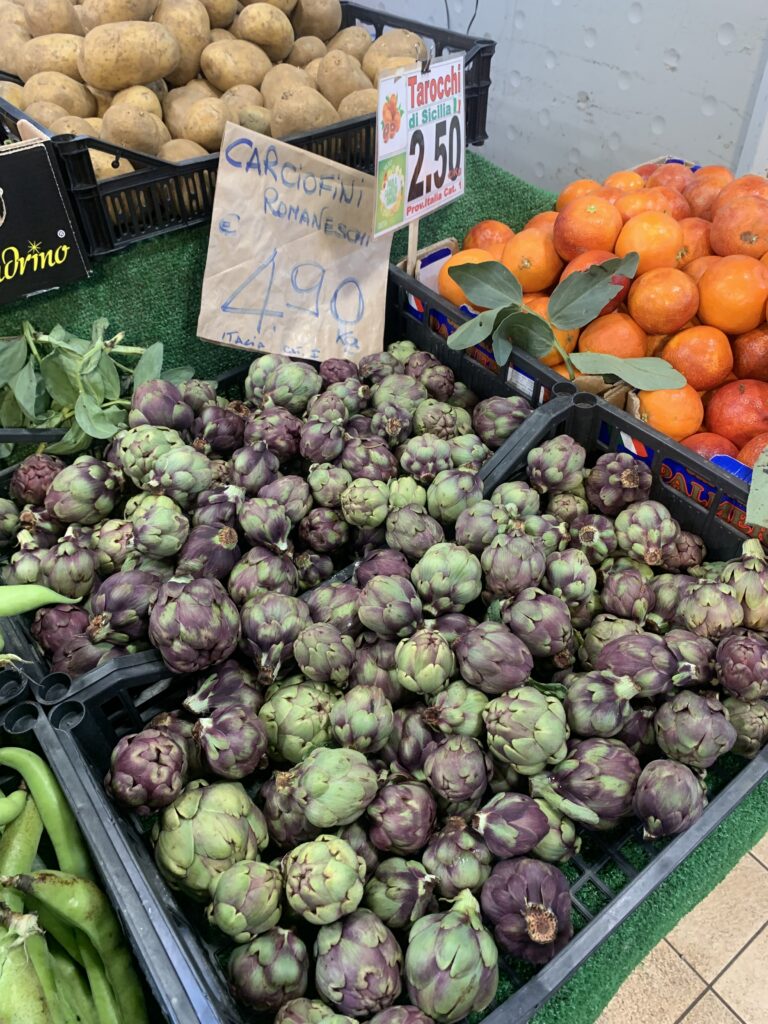
Spring also marks the end of the artichoke season, something Michaella saw this time last year on a trip to Rome. She wrote about her trip to Mercato Trionfale for the blog. And it’s something we’ve documented many times too.
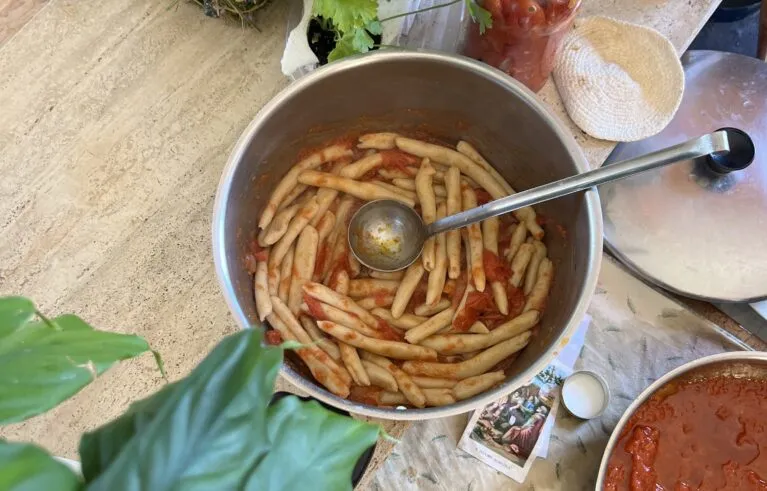
If you look out for this week’s Friday video, Teresina will show you exactly how to use them as part of her signature Cavatelli con Verdurine.
Do you have a seasonal ingredients you love? How do you cook them? We’d love to know: hello@pastagrannies.com